
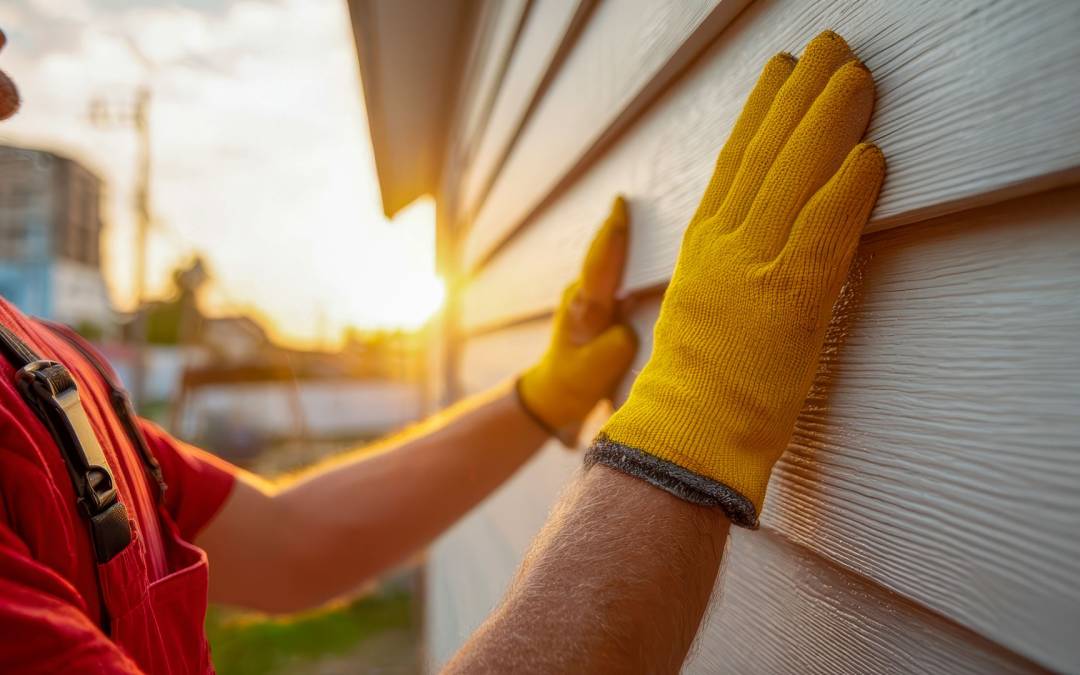
As the days get longer and the temperatures finally start to rise, it is easy to get caught up in the excitement of spring. We spend our weekends planning gardens, scheduling spring cleaning, and enjoying the fresh air. However, while you are out in the yard, it is crucial to take a close look at your home’s first line of defense: your siding.
Winter weather can be incredibly harsh on your home’s exterior. Freezing temperatures, heavy snow, ice storms, and biting winds take a toll over the months. Even if your siding looked perfectly fine in November, the constant freezing and thawing cycle can cause hidden damage that, if left unchecked, will lead to significant structural issues and costly repairs down the road.
Premium siding does more than just make your home look beautiful — it acts as a vital shield against the elements. If that shield is compromised, your home is vulnerable. To help you protect your investment, the experts at Graboyes Window & Door have put together a simple spring siding inspection guide. Grab a cup of coffee, take a walk around your property, and keep an eye out for these five telltale signs of winter damage.
Home Siding Inspection – What to Look For:
1. Cracks, Gaps, and Warped Panels
Visual damage is often the first and most obvious indicator that winter weather has gotten the best of your exterior. Extreme temperature fluctuations cause building materials to expand and contract. While high-quality siding is designed to handle this movement, older or builder-grade materials can become brittle in the freezing cold.
A sudden impact from hail, flying debris during a winter storm, or even an errant snow shovel can easily crack or puncture brittle siding. As you walk around your home, pay close attention to the areas near the ground and around the corners. Look for any visible splits, gaps between the panels, or sections that appear warped and buckled. Even a small crack is enough to let moisture seep behind the siding, which can lead to rot in the wooden framework of your house.
2. Peeling Paint or Fading Color
If you have wood siding, or an older composite that requires painting, peeling and blistering paint is a major red flag. This isn’t just a cosmetic issue. Paint peels when moisture is trapped beneath the surface. If winter snow and ice melted and managed to infiltrate the siding, that moisture will push its way out as the weather warms up, separating the paint from the material.
For vinyl siding, extreme UV exposure reflecting off winter snow can accelerate fading. While fading doesn’t necessarily mean the siding is structurally failing, it does severely diminish your home’s curb appeal. If your siding looks tired, chalky, or is shedding paint, it is a strong sign that the material has reached the end of its lifespan and is no longer providing adequate protection.
3. Mold, Mildew, and Fungus Growth
Spring is the season of growth, but you definitely do not want things growing on the side of your house. Take a close look at the shady areas of your home, particularly on the north-facing side or where bushes and trees sit close to the exterior walls. Do you see green, black, or gray spots?
Moisture from melting snow and spring rain creates the perfect breeding ground for mold, mildew, and fungus. While a small amount of surface dirt is normal and can be washed away, persistent mold growth usually indicates that moisture is trapped in or behind the siding panels. This trapped moisture will slowly eat away at the materials underneath. If you power wash your home and the mold quickly returns, you likely have an underlying moisture problem that requires professional attention.
4. Skyrocketing Heating and Cooling Bills
Sometimes, the biggest signs of siding damage aren’t things you can see on the outside of your house—they are things you feel on the inside. Did your heating bills seem unusually high this past winter? As you transition to using your air conditioning this spring, keep a close eye on your energy costs.
Your siding, along with the insulation beneath it, is responsible for regulating your home’s temperature. If your siding is loose, damaged, or failing, it allows drafty air to pull your expensive, climate-controlled air right out of your home. If you notice drafts near your walls, or if certain rooms are impossible to keep comfortable, your siding might be the culprit. Upgrading to premium, insulated siding is one of the most effective ways to lower your monthly utility bills.
5. Interior Moisture and Peeling Wallpaper
This is the most severe sign that your exterior siding has completely failed. When water breaches your siding and saturates the insulation and wood framing, it will eventually make its way all the way to your interior drywall.
Check the inside of your home on your exterior-facing walls. Look for water stains, bubbling drywall, peeling wallpaper, or a musty smell that you just can’t get rid of. By the time moisture damage becomes visible on the inside of your house, the exterior rot is often extensive. If you spot any interior signs of water intrusion, it is absolutely critical to have a professional evaluate your exterior right away to stop the damage from spreading further.
It’s Not Just Siding — It’s a Statement
Your home is likely your biggest investment, and protecting it should be a top priority. A thorough spring inspection takes just a few minutes, but it can save you thousands of dollars in hidden repair costs. If your walk around the house revealed cracks, warping, trapped moisture, or serious fading, it is time to consider an upgrade.
At Graboyes Window & Door, we believe that it is not just siding—it’s a statement. Premium siding completely transforms your home’s curb appeal while providing unbeatable, energy-efficient protection against the harshest weather conditions. You shouldn’t have to choose between a beautiful home and a secure one.
Ready to upgrade your home’s exterior this spring?
Do not wait for winter damage to become a major summer headache. The expert team at Graboyes Window & Door is here to help you choose the perfect premium siding for your home. Reach out to us today at (610) 279-3905 with any siding questions or to schedule your consultation!