
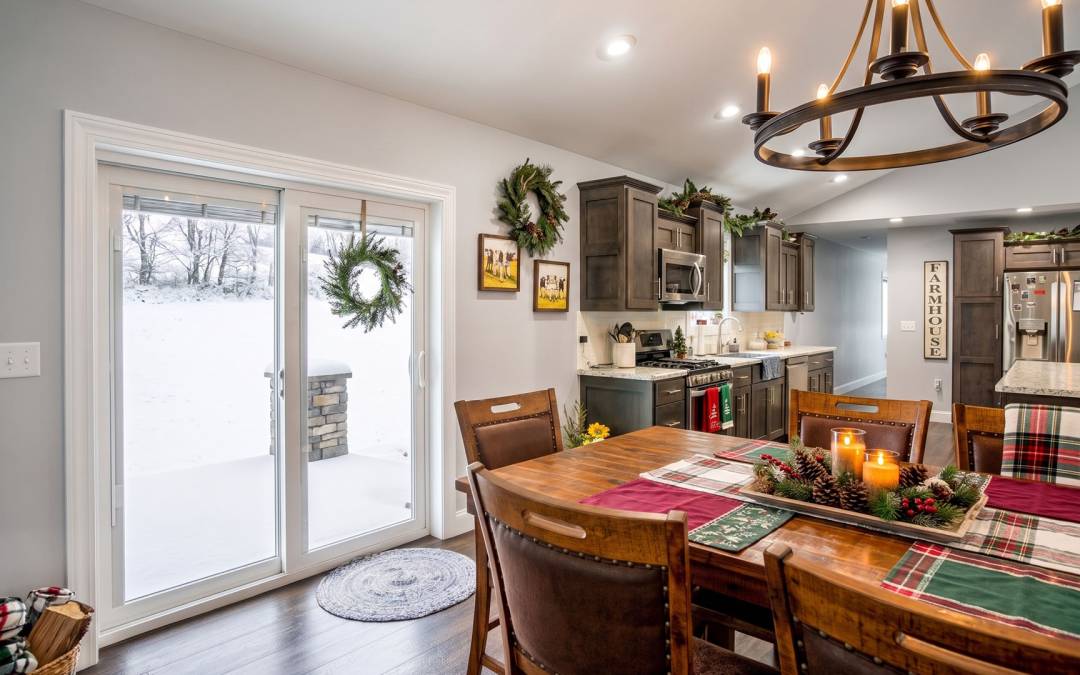
As mid-November arrives in Pennsylvania, the vivid autumn foliage begins to fade, replaced by the crisp, biting reality of the approaching winter. Homeowners across the region are turning on their furnaces, pulling out their heavy winter coats, and making sure their homes are properly buttoned up against the chill. While much of this seasonal preparation rightfully focuses on sealing front entryways and checking traditional street-facing windows, there is one massive culprit for heat loss that often goes entirely overlooked: the sliding patio door.
Because of their sheer size, mechanical design, and high usage, sliding glass doors can be one of the biggest liabilities for your home’s energy efficiency if they aren’t properly maintained. Unlike standard double-hung windows, patio doors stretch from floor to ceiling. This means any cold air leaking in at the bottom will immediately spread across your living room or kitchen floors, creating an uncomfortable chill that forces your heating system to work overtime. Let’s look at why these doors are so vulnerable to the cold and what you can do right now to ensure your home stays cozy and your energy bills stay manageable.
Why Patio Doors Are Prime Suspects for Winter Drafts
When you look at a sliding patio door, you are essentially looking at an entire wall made of glass. Even the most technologically advanced glass cannot insulate quite as effectively as a solid, insulated wall. However, the real issue with aging patio doors usually isn’t just the glass itself—it is the complex system of tracks, rollers, and weatherstripping required to make them operate.
Over years of enduring freezing Pennsylvania winters and sweltering, humid summers, these components undergo significant thermal expansion and contraction. This constant shifting can cause frames to warp slightly over time, throwing the heavy door out of its precise alignment. Furthermore, because patio doors are high-traffic areas during the warmer months, the bottom tracks frequently accumulate dirt, pet hair, leaves, and everyday debris.
When winter arrives, a door sitting on a compromised track or relying on flattened, cracked weatherstripping will allow a steady stream of freezing air to pour directly into your home. Even if the physical seals are relatively intact, older single-pane glass or failing double-pane glass will actively draw the radiant heat right out of the room, making the area near the door feel freezing cold even when the furnace is running.
Your November Maintenance Checklist for Sliding Doors
Before the first major freeze of the season sets in, taking an hour or two to inspect and maintain your sliding doors can make a world of difference for your winter comfort. Here is a practical, step-by-step checklist to run through this month:
- Deep Clean the Tracks: Grab a vacuum with a narrow crevice tool to clear out all loose debris, pebbles, and dirt. Then, use a stiff brush and warm, soapy water to scrub the aluminum or vinyl tracks completely clean. A perfectly smooth track ensures the door seats tightly against the frame when closed, minimizing the chance of cold air slipping underneath.
- Lubricate the Rollers and Track: Once the track is completely dry, apply a high-quality, silicone-based lubricant to the track and the roller mechanisms. It is best to avoid heavy, oil-based lubricants, as they tend to attract and hold more dirt and grime over time. A smoothly gliding door reduces stress and wear on the locking mechanisms and seals.
- Inspect and Replace Weatherstripping: Carefully examine the rubber, vinyl, or felt weatherstripping around the entire perimeter of the door. If you notice any cracked, brittle, torn, or flattened sections, it is time to replace them. Fresh weatherstripping is a highly affordable and effective first line of defense against winter drafts.
- Check the Door Alignment: Sometimes, a persistent draft is simply the result of a door sitting slightly askew in its frame. Most sliding doors have adjustment screws located at the bottom near the rollers. Using a standard screwdriver, you can gently raise or lower each side of the door to ensure it sits perfectly plumb and square within the frame, creating a tighter seal when locked.
- Perform the Draft Test: On a windy, cold evening, hold a lit candle or a stick of incense near the edges of your closed patio door. Slowly trace the perimeter. If the smoke blows horizontally or the flame flickers wildly, you have located an active air leak that needs immediate attention.
When to Repair vs. When to Replace
While diligent maintenance can certainly extend the life of your patio doors, no amount of weatherstripping or lubrication can fix a fundamentally failing unit. How do you know when it is time to stop patching the problem and start replacing the door?
One of the most obvious signs of complete failure is condensation or a foggy, milky haze trapped permanently between the panes of glass. This indicates that the factory’s insulating seal has ruptured, allowing the dense, insulating argon gas to escape. At this point, your double-pane door is offering little more thermal protection than a single sheet of glass.
Additionally, if your door requires significant physical effort to drag open and closed, or if you can see visible daylight around the edges even when the latch is engaged, the frame itself is likely structurally compromised. Upgrading to a modern, energy-efficient sliding glass or French door system provides immediate, tangible benefits. Today’s premium vinyl and fiberglass frames are engineered with insulated chambers to prevent cold transfer entirely. Paired with modern Low-E (low-emissivity) glass coatings that act as an invisible thermal blanket, a new door reflects your expensive indoor heat back into your home where it belongs.
Replacing an outdated patio door isn’t just about stopping the immediate chill; it is an investment in your home’s long-term value. Modern, energy-efficient patio doors not only slash your monthly utility bills but also offer excellent return on investment by significantly boosting your home’s aesthetic appeal and maximizing natural light. Furthermore, modern locking systems offer advanced, multi-point security features, giving you peace of mind whether you are curled up on the couch or traveling out of town for the holidays.
As you prepare your home for the bitter cold ahead, giving your patio doors the attention they deserve will pay dividends in both daily comfort and financial savings. If your maintenance inspection reveals that your sliding glass doors are past the point of basic repairs, investing in a high-quality replacement is one of the smartest upgrades you can make for your property. For over 75 years, the community has trusted Graboyes Window & Door to keep their homes beautiful, secure, and incredibly energy-efficient. If you are ready to stop fighting winter drafts and start enjoying a warmer, brighter living space, we are here to help. Contact our expert team today at (610) 279-3905 to ask any questions or to book your personalized consultation.