
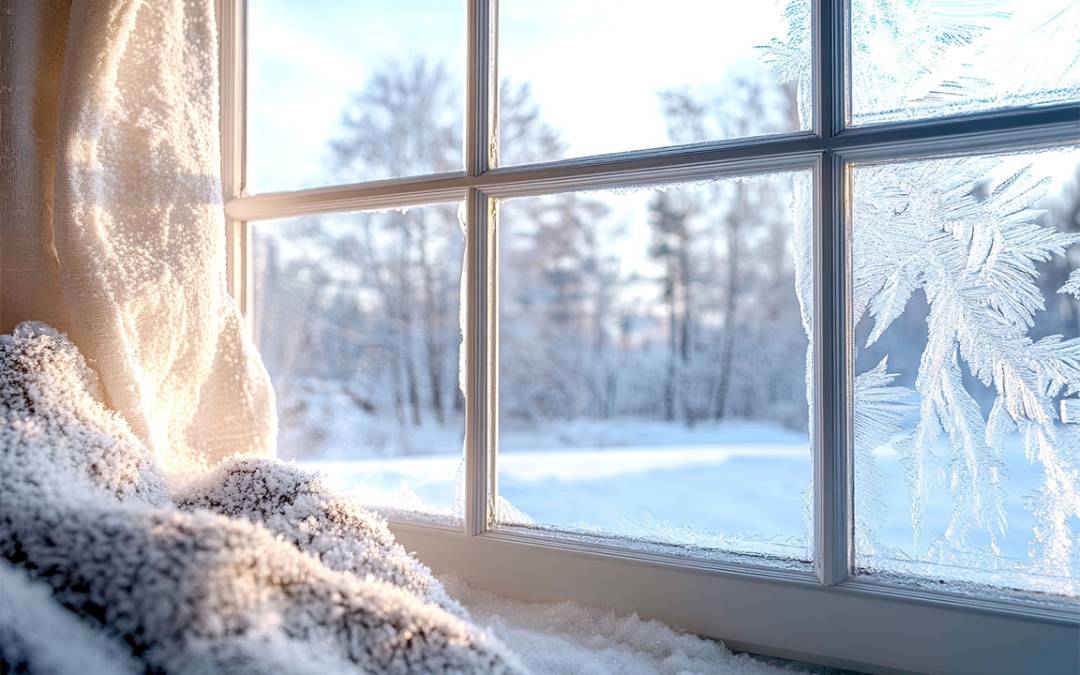
February in the tri-state area is a tricky time of year. One day we are battling freezing rain and single-digit wind chills, and the next, the sun comes out and temperatures tease the 50s. While we might appreciate the occasional break from the cold, this “freeze-thaw” cycle can take a toll on your home’s exterior—specifically your windows and doors.
Mid-winter is actually the perfect time to perform a “wellness check” on your home. Your heating system has been working hard since November, and any weaknesses in your home’s envelope are likely showing themselves right now in the form of drafts, rattles, or foggy glass.
At Graboyes Window & Door, we believe that proactive maintenance is key to keeping your home comfortable and your energy bills predictable. Here is a simple, 15-minute mid-winter checkup you can perform this weekend to ensure your windows and doors are holding up against the elements.
1. Become a “Draft Detective”
High energy bills are often the first sign that your windows aren’t sealing properly, but you can pinpoint the problem areas before the bill arrives.
- The Hand Test: On a cold, windy day, run the back of your hand around the perimeter of your window frames and sashes. The back of your hand is more sensitive to temperature changes than your palm. If you feel a distinct stream of cold air, your weatherstripping may be worn out or the caulk on the exterior may have cracked.
- The Incense Test: For a more visual confirmation, carefully hold a lit stick of incense (or a candle, exercising caution) near the window seams. If the smoke drifts lazily upward, your seal is tight. If the smoke blows horizontally or creates turbulence, you have a draft letting outside air in.
- Check the Locks: This sounds simple, but it is often overlooked. Make sure your windows are fully locked, not just closed. On double-hung windows, the lock pulls the two sashes together to engage the weatherstripping. If it’s unlocked, that seal is broken.
2. Decode the Condensation
Moisture on windows is a common complaint in February, but not all moisture is created equal. Knowing the difference between “good” and “bad” condensation can save you a lot of worry.
- Interior Condensation: If you see water droplets on the inside surface of the glass that you can wipe away with a finger, this is usually a humidity issue, not a window failure. In winter, our homes are closed tight, trapping moisture from cooking, showers, and even breathing. If this happens, try running exhaust fans or using a dehumidifier.
- Between-the-Glass Fog: If you see fog, haze, or moisture sitting between the two panes of glass that you cannot wipe off from the inside or outside, this indicates a seal failure. The insulating gas (like Argon) has escaped, and the thermal efficiency of the window is compromised. While this doesn’t always require an immediate emergency replacement, it means the window is no longer insulating your home effectively.
3. Clear the Tracks
We often think of track maintenance as a spring cleaning chore, but winter creates its own mess. In Pennsylvania and New Jersey, we track a lot of salt, grit, and calcium chloride de-icers into our homes on our boots.
- Vacuum the debris: This gritty mixture often ends up in the tracks of sliding patio doors. If left to sit, the salt can corrode metal components, and the grit can grind down the rollers every time you open the door.
- Wipe it down: Take a moment to vacuum out the tracks and wipe them with a damp cloth. This simple step can extend the life of your door’s operation by years.
4. Inspect the Exterior Caulking
You don’t need a ladder for this; just take a look at your ground-level windows and doors from the outside. The sealant (caulk) around the perimeter of the window frame prevents water from getting behind your siding.
- Look for cracks: Freezing temperatures cause materials to contract, which can cause old, brittle caulk to crack or pull away from the brick or siding.
- The risk: If water gets into these cracks, it can freeze and expand, causing further damage to the trim or even leading to rot in the structural wood frame. If you spot gaps, plan to re-seal them as soon as we get a dry day above 40 degrees, or call a professional.
The Verdict?
If your mid-winter checkup reveals drafty sashes, foggy glass, or doors that just won’t seal tight, don’t feel like you have to suffer through the rest of the winter wearing a sweater indoors. Modern window installation technology allows us to replace windows year-round, effective sealing your home against the cold immediately.
Need an Expert Opinion? If you aren’t sure if a draft is a simple fix or a sign of a larger problem, we are here to help. Contact Graboyes Window & Door today to discuss your needs or schedule a consultation.
Call us at (610) 279-3905.